Back to School, Back to Court? How the Season Impacts Arrests in Raleigh

Dilber Jimenez • September 1, 2025

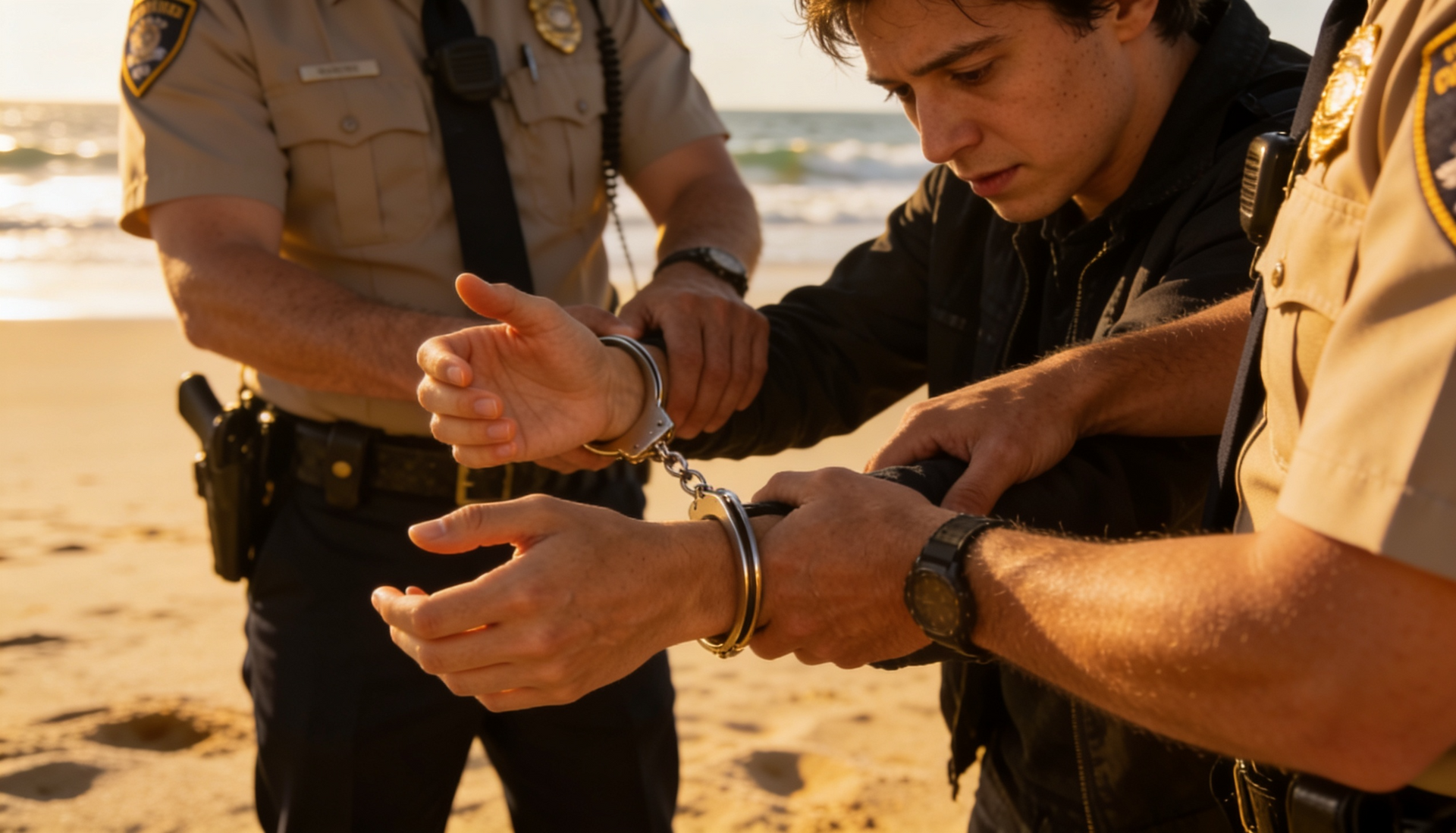
As the summer winds down and the school year ramps up, life in Raleigh takes on a familiar rhythm—busy commutes, football games, and the return of college life. But with the excitement of a new semester also comes a noticeable uptick in certain types of arrests. Each fall, local law enforcement agencies see patterns that are tied directly to the back-to-school season.


Heavier Traffic = More Traffic Stops


With thousands of students, teachers, and parents back on the road, traffic in Raleigh quickly becomes more congested. Increased patrols around school zones and campuses mean drivers are more likely to be stopped for speeding, distracted driving, or failing to obey school-zone signals.

Even small mistakes—like rolling through a stop sign—can draw unwanted attention when police presence is heightened.


DUIs on the Rise


College life brings parties, tailgates, and nightlife, and unfortunately, alcohol-related arrests tend to spike during this season. DUI arrests are especially common among younger drivers adjusting to new freedoms. Law enforcement often increases late-night checkpoints near campuses and

hotspots to deter drunk driving. For many students, what starts as a night out can quickly become a life-altering legal issue.


College-Related Offenses


Beyond DUIs, universities often see an increase in minor-in-possession charges, fake ID cases, and disorderly conduct around the start of the semester. Campus police and local authorities keep a close eye on student behavior, and even “minor” infractions can result in serious consequences,

both legally and academically.


Why the Season Matters


The back-to-school season represents a perfect storm: more traffic, more events, and more opportunities for mistakes. For families, that can mean unexpected calls from a loved one needing help after an arrest.


What to Do if You Get the Call


If you or someone you know is arrested this season, it’s important to act quickly. Understanding where to go, what to expect, and how to post bail can make the process less overwhelming. As your trusted local bail bondsman, Angels Bail Bonds is here 24/7 to help guide you through

every step—whether it’s traffic court, a DUI charge, or a college-related arrest.


Need immediate help? Call (919) 280-1830 anytime, day or night.


summer arrest
By Dilber Jimenez May 1, 2026
Spring and summer bring longer days, more social events, and an increase in travel—but they also bring a spike in arrests.
By Dilber Jimenez April 1, 2026
Baseball season in North Carolina increases DUI, disorderly conduct, and arrests. Learn what to do and how bail bonds can help fast.
Night arrest
By Dilber Jimenez March 1, 2026
“Can you bail someone out after hours?” The short answer is yes.
By Dilber Jimenez February 1, 2026
Tax season is one of the few times each year when families receive a financial boost—but what happens if a loved one is arrested and you’re waiting on your refund? Can you use that refund to pay bail? Should you? fundsWhat are your options if the money haven’t arrived yet? At Angels Bail Bonds, we help families across Raleigh and Wake County navigate both the emotional and financial stress of an arrest. This guide explains how your tax refund can help, alternative payment solutions, and smart steps to take during an unexpected legal situation. Can You Use Your Tax Refund to Pay Bail? Yes—your tax refund can absolutely be used to pay bail or a bail bond fee . Many families rely on their refund to cover urgent expenses, including helping a loved one get out of jail quickly. However, whether you should use your refund depends on: How fast you need the release Whether you have the cash on hand Whether it makes more sense to use a bail bondsman instead of paying full bail yourself Bail can range from a few hundred dollars to tens of thousands, depending on the charges. Paying full bail upfront might not be necessary—or financially wise. Using a Bail Bond Instead of Paying Full Bail
By Dilber Jimenez January 1, 2026
When someone you love is arrested for the first time, it can feel overwhelming. At Angels Bail Bonds, we help first-time families every single day.
By Dilber Jimenez December 1, 2025
Every year, thousands of people are arrested while visiting friends and family—or even just passing through another county or state. An unexpected arrest far from home can be overwhelming, especially during the busiest time of year.
5 Things to Do Before Your First Hearing
By Dilber Jimenez November 1, 2025
Preparation can make all the difference in how your case is handled and how confident you feel walking into the courtroom. We’ve helped hundreds of clients navigate this process successfully.
By Dilber Jimenez October 1, 2025
Facing a domestic violence (DV) charge in North Carolina is a serious matter that can have immediate consequences—even before your case goes to trial. If you or a loved one has been arrested on a DV-related charge, it’s important to understand how North Carolina law treats these cases, how bail is set, and what role protective orders and judge discretion can play in the process. Domestic Violence Charges in North Carolina Domestic violence cases in North Carolina typically involve allegations of assault, threats, harassment, stalking, or other criminal behavior against a spouse, partner, family member, or household member. Even a misdemeanor DV charge is handled differently than other criminal charges due to the safety concerns of alleged victims. The Bail Process: What Makes DV Different When someone is arrested for a domestic violence offense, the bail process is not as straightforward as it is for many other charges. North Carolina law (specifically N.C. Gen. Stat. § 15A-534.1 ) requires special rules for setting bond in these cases. 48-Hour Rule In DV cases, bond is usually not set immediately after arrest. Instead, the law requires that only a judge—not a magistrate—can set conditions of release within the first 48 hours of arrest. If no judge is available within that time frame, a magistrate may step in after the 48-hour window.  Although individuals are generally required to wait up to 48 hours before appearing before a judge, this is not always the case. For example, if the court is in session the following day after the arrest, the accused may be brought before a judge sooner. Judge’s Discretion At the bond hearing, the judge has broad discretion to decide: The type of bond (secured, unsecured, cash, or surety). The amount of bond, depending on the seriousness of the allegations, prior criminal history, and risk factors. Additional release conditions, such as no-contact orders , electronic monitoring, or substance abuse restrictions. Due to this discretion, outcomes can vary significantly from case to case. Protective Orders and Bail Protective orders—commonly known as 50B orders in North Carolina—play a critical role in DV cases. A judge may issue a protective order that restricts contact between the defendant and the alleged victim. These restrictions can directly impact the bail process. For example: Violating a protective order after release can lead to immediate re-arrest and new charges. Judges often consider protective orders when deciding whether the defendant poses a threat to the alleged victim or the community. What to Expect at a Bail Hearing If you or your loved one is facing a DV bond hearing in North Carolina, here are key things to know: The judge will review the allegations, criminal history, and risk of harm to the alleged victim. A bail bondsman can help secure release once the bond is set, provided all court-ordered conditions are met. The court may add strict conditions —such as staying away from a residence, avoiding certain people, or surrendering firearms. Why This Matters Domestic violence charges carry heavy legal and personal consequences, and the first 48 hours after arrest are often the most stressful. Understanding how the law works in North Carolina can help families prepare for what to expect and make informed decisions about bail. If you or someone you care about has been arrested on a domestic violence charge, working with Angel Bail Bonds can provide guidance and support during this challenging process. Please call us at (919) 280-1830. If you or someone you know is experiencing domestic violence, please call the National Domestic Violence Hotline at 1-800-799-SAFE (7233) for confidential support and assistance.
By Dilber Jimenez August 1, 2025
Dealing with an arrest or court date in North Carolina can be stressful. As your trusted Raleigh bail bonds agency, Angels Bail Bonds created a guide to help you.
Dilber Jimenez- Angels Bail Binds, North Carolina
By Dilber Jimenez June 1, 2025
Get to know your bail bondsman in North Carolina, Dilber Jimenez.